
March 4, 2026
Account fraud in the gig economy: The identity loopholes undermining platforms and workers

Fraudulent online accounts are reshaping risk in the gig economy, leaving platforms and workers exposed due to weak identity protection.
The gig economy is a labor market that relies heavily on temporary and part-time positions filled by independent contractors and freelancers rather than full-time, permanent employees. The gig economy spans virtually every industry and accounts for a large share of the workforce. As of 2023, 73.3 million freelancers are estimated to work in the USA, and 76.4 million are expected in 2024.
Examples of jobs in the gig economy include:
- Making deliveries from a restaurant
- Driving for a ride-hailing app
- Shopping for and/or delivering groceries or other items
- Performing household tasks or running errands
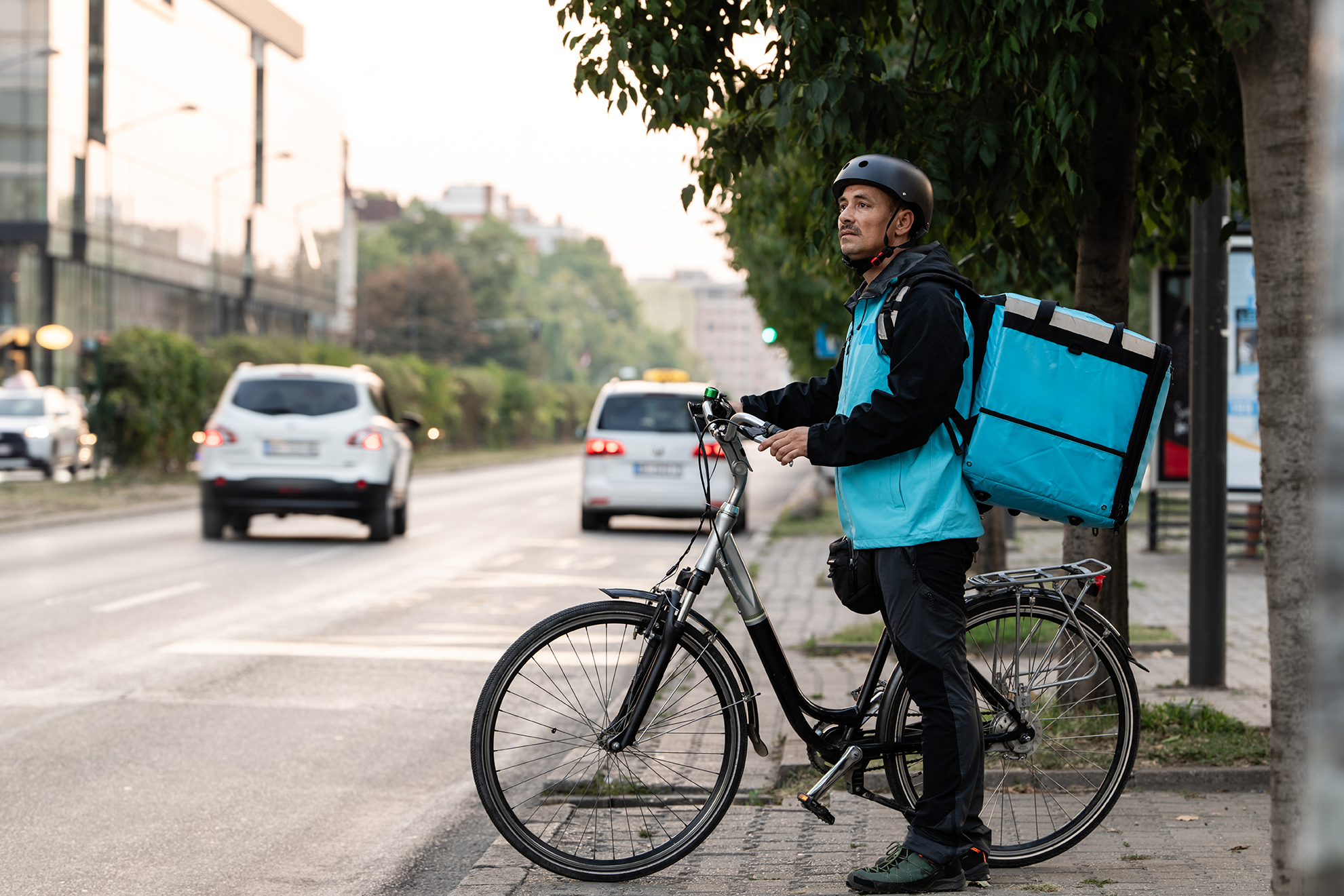
Most gig workers access jobs and other resources via online apps or “gig platforms” that connect them with customers. Some of the largest gig platforms are run by well-known companies such as Uber, DoorDash, Instacart, and Upwork. Gig platforms not only connect workers to customers but also leverage proprietary algorithms that analyze data about workers (e.g., proximity, acceptance rates, past performance) to allocate future jobs.
In theory, workers who are available when needed and have good performance scores will get more and better jobs (larger orders, larger tips). Workers who turn down a lot of jobs and receive poor performance ratings can be locked out of jobs altogether.
The rise in account fraud due to hungry gig workers
The gig economy is booming. Competition among gig workers can be fierce, and gig platforms are increasingly challenged to ensure that only qualified, verified workers serve their customers. To land more gigs, some workers resort to dirty tricks, including account fraud. Gig workers are purchasing, renting, and using other people’s accounts, or creating multiple fraudulent online accounts to trick and gain an advantage on gig platforms.
Account fraud in the gig economy can show up in various forms:
- Stolen account origination data: Malicious actors steal identity information and use it to onboard fake profiles. This can lead to the individual whose identity has been compromised becoming liable for wrongful behavior, and to the gig platform onboarding ineligible individuals.
- Fake accounts: Gig workers fake their identities at onboarding to avoid paying taxes or to circumvent work requirements. As a result of these fraudulent online accounts, the service may be ultimately performed by a person lacking a work permit or driver’s license, or by someone with a criminal record.
- Illicit account sharing: Legitimate gig workers “rent out” their accounts by giving their credentials to an acquaintance who is not vetted by the platform. The approved account holder receives the earnings, deducts their rental fee, and pays out the account renter.
- Duplicate accounts: Gig workers fraudulently establish multiple accounts to receive more orders and make more money. This type of fraud involves gig workers who use multiple names and phones to avoid detection.
- Bots: Gig workers use automated bots to automatically claim orders, making it difficult for legitimate workers to claim them.
A case in point - Walmart Spark
An August 2023 story by Insider illustrates the extent to which account fraud is impacting gig platforms, specifically Walmart’s Spark grocery delivery service. In the story, several gig workers describe the widespread use of duplicate accounts and bots, which allowed fraudulent delivery drivers to steal business from legitimate drivers. The story also describes how Chicago-area Spark drivers staged a protest rally against the illegal use of bots, which allowed fraudsters to automatically claim preferred orders on the platform.
Spark's terms of use prohibit "sharing accounts, using another person's account, activating multiple accounts, or entering false information into the Spark Driver App," but like many other gig platforms, the service has struggled to enforce these rules.
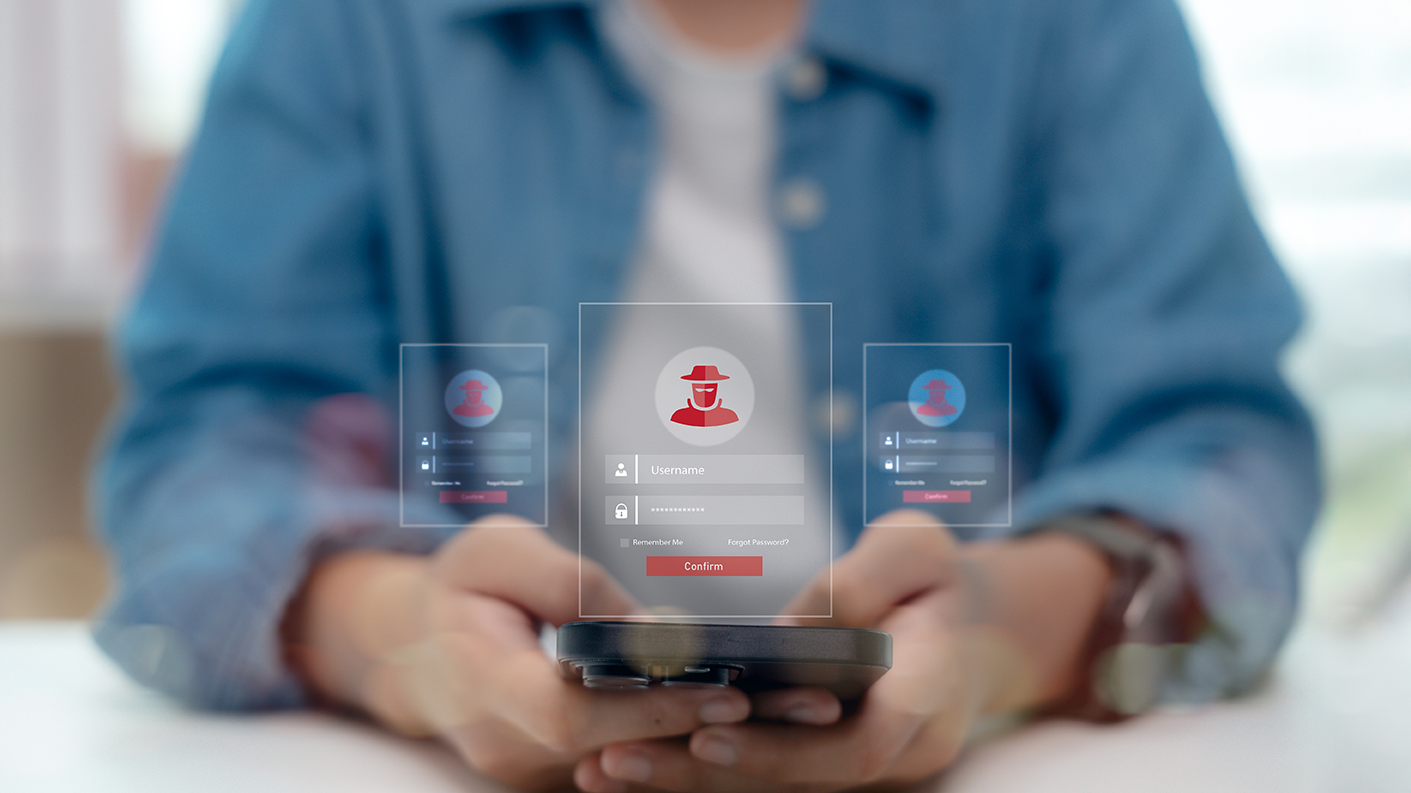
Gig platforms struggle to fight account fraud
Many gig platforms use some type of identity verification to combat account fraud, but these tactics haven’t significantly reduced the number of fraud cases. Several issues limit the effectiveness of these identity verification methods.
- Secure yet seamless experience: Many gig platforms implement lenient business practices that allow fraudsters onto their platforms. These platforms are afraid to create “friction” that might drive away potential gig workers. They want to ensure that their customers are served.
- Dynamic, adaptive proofing that scales: Many identity protection approaches require manual labor and do not scale. It is slow and costly for gig platforms to require workers to verify identity by submitting a government-issued ID, an official payment method (such as a major credit card or PayPal account), a bank statement, a telephone number, or utility bills that verify name and address.
- Staying ahead of criminal sophistication: Sophisticated criminals can outsmart verification with fake profiles and stolen identities. Using readily available dark web resources, they can quite easily create fraudulent online accounts, circumventing a platform’s job requirements and terms of service. Criminals may also create fake government-issued IDs, bank statements, and utility bills.
The Imprivata difference
Imprivata enables signal-based identity verification to reduce the cost and friction of detecting and preventing account fraud. At the point of registration and login, our Identity Threat Detection and Response (ITDR) capabilities can detect subtle risk signals that indicate potential account fraud and invoke rules to enforce additional authentication or identity verification.
With Imprivata, gig platform providers can automatically detect and block bad actors who try to blend in with the masses of legitimate gig workers. We provide low-friction, adaptive identity protection that only invokes security challenges when the detected risk is high, keeping the registration and login process fast and easy for legitimate workers.
See for yourself with a customized demo.